How they compare on resistance
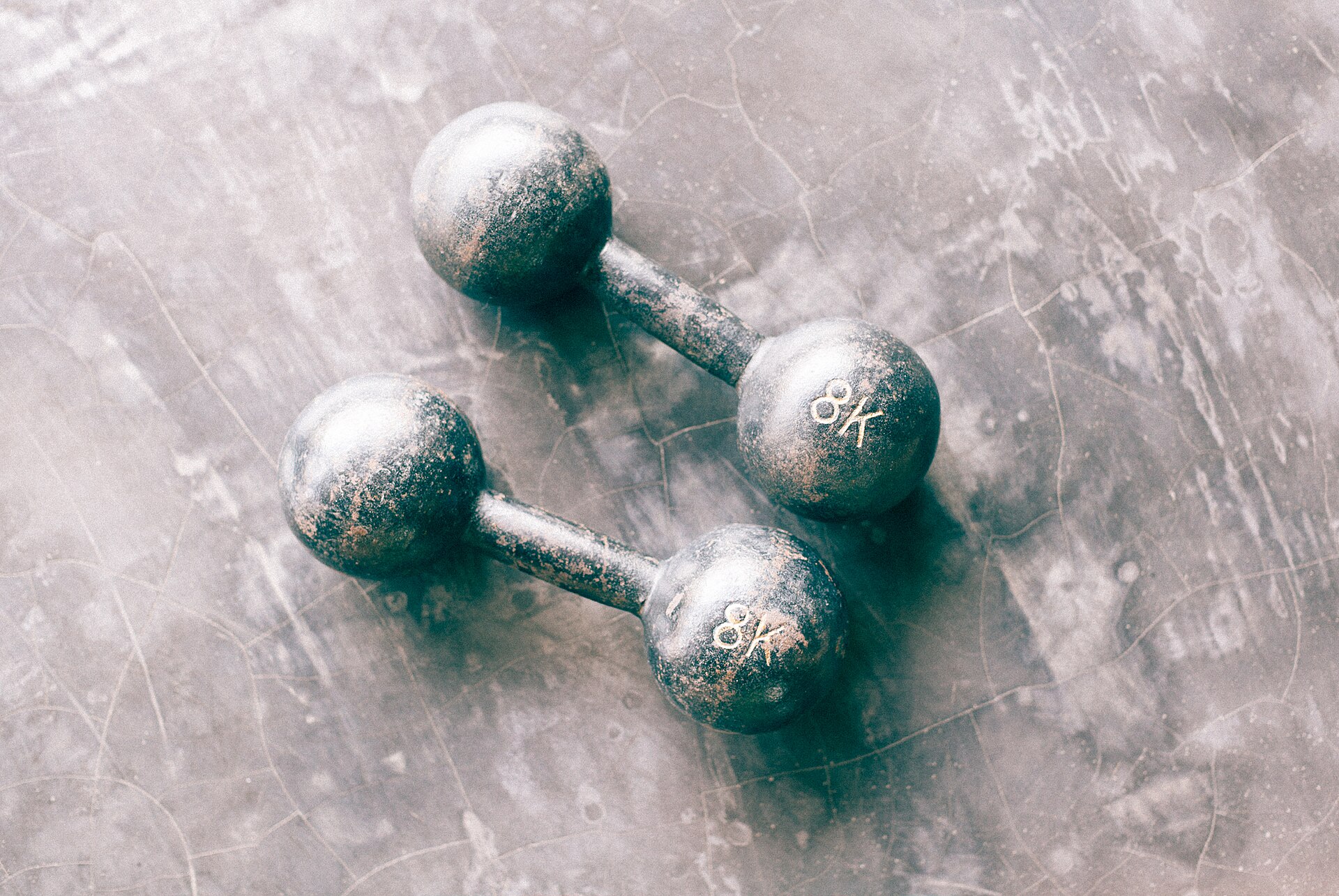
Dumbbells provide constant resistance throughout a movement - a 10kg dumbbell weighs 10kg at every point in the lift. Resistance bands work differently: resistance increases as the band stretches, meaning the top of a movement is harder than the bottom. Neither is superior; they train muscles slightly differently, which is actually a good reason to use both over time.
Where bands win
- Space and portability - a full band set fits in a drawer or a carry-on
- Joint-friendly resistance, useful for rehab or older joints
- Constant tension through the full range of motion, which some lifters find increases muscle activation
- Price - a full set costs a fraction of an equivalent dumbbell range
Where dumbbells win
- Simplicity - the resistance never changes shape or angle
- Easier to track progressive overload (you know exactly what 12kg means)
- Better for pure strength and power work at higher loads
- No risk of a band snapping mid-set, which does happen with worn bands
The honest answer
For most people training at home two to four times a week, a set of resistance bands covers the vast majority of useful exercises - presses, rows, squats, deadlift patterns - at a fraction of the cost and space of dumbbells. If you're specifically chasing heavy strength gains over the long term, a modest pair of adjustable dumbbells is worth adding alongside them.
The equipment that gets used consistently beats the equipment that's theoretically superior. If bands are what fits your space and your habit, that's the right answer for you.

